
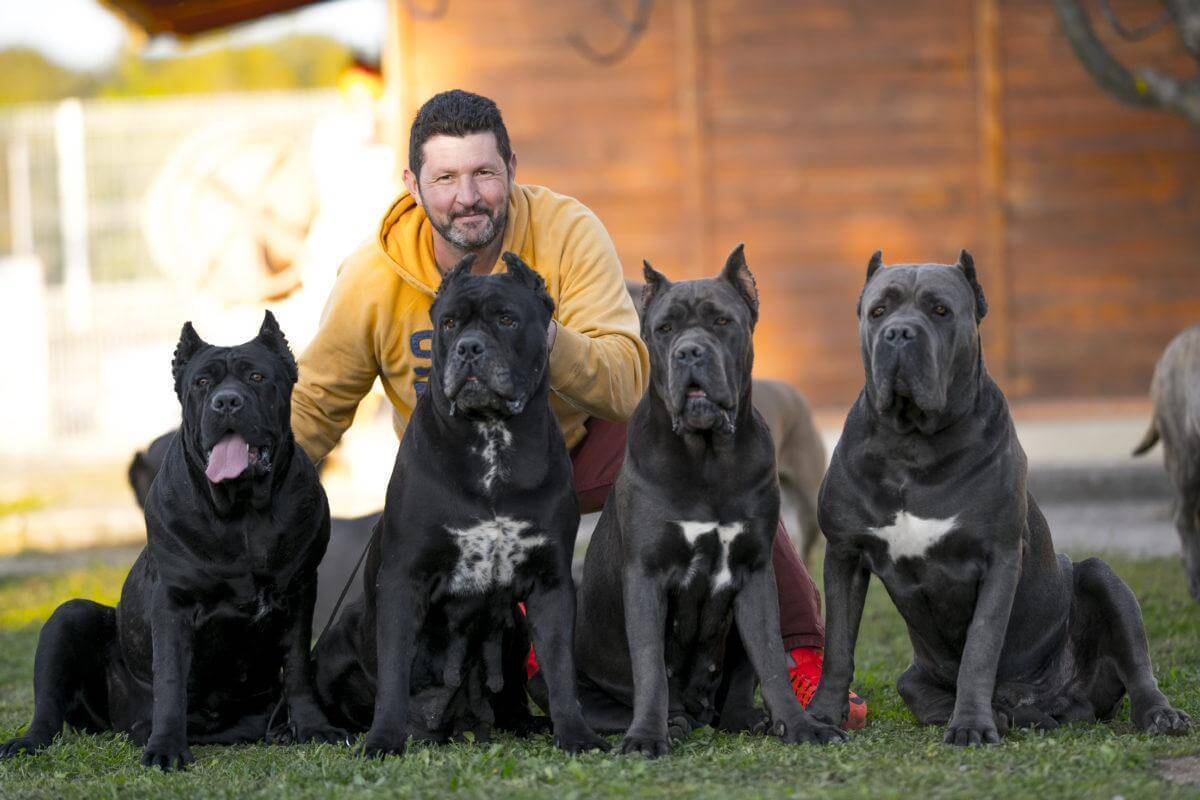
How Fast Can a Cane Corso Run? Top Speed, Running Ability & Exercise Guide
How fast can a Cane Corso run? A Cane Corso can reach approximately 25–30 miles per hour (40–48 km/h) during a short sprint, although individual speeds vary depending on age, fitness, body condition, terrain, and overall health.
Despite their large, muscular bodies, Cane Corsos are surprisingly athletic dogs. Originally developed in Italy for guarding, farm work, and other demanding activities, these powerful dogs combine strength, coordination, and speed.
However, a Cane Corso’s ability to sprint does not necessarily mean it is suited to running long distances.
Whether you’re considering buying a Cane Corso puppy or already own one, understanding the breed’s running capabilities can help you provide safe exercise and appropriate physical activity.
In this guide, we’ll explore Cane Corso running speed, athletic performance, stamina, and exercise requirements.
What Is the Top Speed of a Cane Corso?
The Cane Corso’s top running speed is commonly estimated at around 25–30 mph, with some individual dogs potentially running faster during brief bursts.
This is an approximate range, not a scientifically established maximum for every Cane Corso.
The breed’s muscular hindquarters, powerful legs, and athletic structure allow it to accelerate quickly over short distances.
However, Cane Corsos are not specialized racing dogs. Their bodies are built for a combination of strength, agility, and working ability rather than sustained maximum-speed running.
Cane Corso Speed in Miles Per Hour and Kilometers Per Hour
| Measurement | Estimated Speed |
|---|---|
| Short sprint | 25–30 mph |
| Short sprint in kilometers | 40–48 km/h |
| Running ability | Powerful short bursts |
| Long-distance endurance | Varies with conditioning |
The actual speed of an individual Cane Corso can differ substantially from these estimates.
Why Are Cane Corsos So Fast?
Cane Corsos possess several physical characteristics that contribute to their athletic abilities.
1. Powerful Muscular Build
Cane Corsos have strong hindquarters, broad chests, and well-developed muscles.
Their hind legs generate propulsion, allowing them to accelerate rapidly when running.
Unlike smaller dogs that rely on quick, short strides, Cane Corsos use their powerful bodies to cover ground efficiently.
2. Long, Strong Legs
The Cane Corso’s legs provide both stability and mobility.
Their athletic proportions help them move with a balanced, purposeful gait.
A healthy Cane Corso should be capable of coordinated movement without excessive effort.
3. Working Dog Heritage
Cane Corsos descend from Italian working dogs used for guarding property, managing livestock, and other demanding tasks.
These roles required strength, alertness, and physical capability.
Their history helps explain why the breed can be both muscular and agile.
4. Natural Athleticism
Cane Corsos are intelligent, active dogs that often enjoy structured physical activities.
They may excel at obedience training, scent work, controlled agility exercises, and other activities suited to their size and physical development.
Are Cane Corsos Faster Than Other Dog Breeds?
Cane Corsos can be fast for their size, but they are generally not as fast as breeds developed specifically for racing or high-speed pursuit.
Here is an illustrative comparison of commonly reported sprint speeds.
| Dog Breed | Approximate Sprint Speed |
|---|---|
| Greyhound | Up to 45 mph |
| Whippet | Up to 35 mph |
| German Shepherd | Around 25–30 mph |
| Cane Corso | Around 25–30 mph |
| Rottweiler | Around 20–25 mph |
| English Mastiff | Often slower than athletic working breeds |
These figures are broad estimates rather than standardized breed averages. Individual dogs may run faster or slower.
Cane Corso vs. German Shepherd: Which Is Faster?
German Shepherds and Cane Corsos may reach similar estimated sprint speeds, but German Shepherds are generally lighter and often better suited to sustained athletic work.
Cane Corsos rely on powerful acceleration and muscular strength, while German Shepherds are known for their versatility and endurance in demanding working roles.
Cane Corso vs. Rottweiler: Which Runs Faster?
Both breeds are powerful, muscular working dogs. do cane corso drool
Cane Corsos may have an advantage in some short-distance sprints because of individual build and conditioning, but there is insufficient standardized evidence to declare one breed consistently faster.
Cane Corso vs. Pit Bull: Which Is Faster?
Dogs commonly described as Pit Bulls vary widely in size, structure, and athletic ability.
Some may be faster than a Cane Corso, while others may not.
Fitness, individual genetics, and conditioning matter more than broad breed labels when comparing running performance.
How Far Can a Cane Corso Run?
Cane Corsos can enjoy running, but their endurance depends on their age, fitness, joint health, and conditioning.
Healthy adult Cane Corsos may tolerate short, controlled runs, while some well-conditioned individuals can manage longer distances.
However, there is no universally safe running distance for every Cane Corso.
Large dogs can experience significant stress on their joints during repetitive high-impact exercise.
If you want to run regularly with your Cane Corso, consult your veterinarian and gradually build an appropriate conditioning program.
Can a Cane Corso Run 5 Miles?
Some healthy, mature, well-conditioned Cane Corsos may be capable of running five miles, but that distance is not appropriate for every dog.
A five-mile run can place substantial demands on a large dog’s cardiovascular system, muscles, and joints.
Factors to consider include:
- Age and skeletal maturity.
- Weight and body condition.
- Previous exercise experience.
- Hip and elbow health.
- Temperature and humidity.
- Running surface and pace.
Never force a Cane Corso to continue running when it shows signs of fatigue, discomfort, or overheating.
Can Cane Corso Puppies Run Fast?
Cane Corso puppies are naturally playful and may sprint during short bursts of activity.
However, puppies should not be expected to perform sustained running exercises.
Their bones, joints, and growth plates are still developing.
When Can You Start Running With a Cane Corso?
Because Cane Corsos are large-breed dogs, skeletal maturity may not occur until approximately 18–24 months of age.
Before beginning structured jogging, distance running, or repetitive high-impact exercise, ask your veterinarian whether your individual dog is physically ready.
During puppyhood, focus on:
- Short, age-appropriate walks.
- Gentle play.
- Basic obedience training.
- Supervised exploration.
- Low-impact enrichment activities.
Avoid forcing puppies to run alongside bicycles or participate in repetitive long-distance jogging.
How Much Exercise Does a Cane Corso Need Daily?
Adult Cane Corsos generally benefit from substantial daily physical activity and mental stimulation.
Many healthy adults do well with approximately 60–90 minutes of activity spread throughout the day, although individual needs vary.
Exercise can include walking, controlled play, obedience training, scent games, and other suitable activities.
A Cane Corso does not need to sprint at maximum speed every day to remain healthy.
Best Exercises for Cane Corsos
Daily walks: Provide consistent physical activity and opportunities to explore.
Obedience training: Supports mental stimulation and reinforces communication between the dog and owner.
Scent work: Encourages natural problem-solving and can be performed without intense physical strain.
Controlled fetch: Can provide enjoyable exercise when kept moderate and appropriate for the dog’s joint health.
Swimming: May offer lower-impact activity for dogs that are comfortable in water, with proper supervision.
Structured play: Helps provide enrichment while strengthening the relationship between dog and owner.
Can Cane Corsos Run in Hot Weather?
Cane Corsos can be vulnerable to overheating, particularly during intense exercise in hot or humid conditions.
Their large bodies generate considerable heat during physical activity.
Although Cane Corsos are not as extremely short-muzzled as some brachycephalic breeds, their facial structure and individual health can affect heat tolerance.
To reduce the risk of overheating:
- Exercise during cooler parts of the day.
- Provide access to fresh drinking water.
- Avoid hot pavement.
- Take frequent breaks.
- Watch for excessive panting, weakness, or unusual behavior.
Heatstroke is a medical emergency. If your dog shows collapse, severe weakness, confusion, or difficulty breathing, begin safe cooling measures and seek immediate veterinary care.
Can a Cane Corso Run Faster Than a Human?
Yes. A healthy Cane Corso sprinting near its estimated top speed can outrun most humans over short distances.
For perspective, a Cane Corso running at 25 mph is moving much faster than the typical recreational runner.
However, a dog’s maximum sprint speed should not be confused with the pace it can sustain over long distances.
Humans who train for endurance may be better suited to prolonged running under appropriate conditions.
How to Improve Your Cane Corso’s Running Ability Safely
If you want to develop your Cane Corso’s fitness, focus on health and conditioning rather than maximum speed.
Maintain a Healthy Body Weight
Excess weight places additional stress on joints and can reduce mobility.
Work with your veterinarian to determine an appropriate body condition and feeding plan.
Build Fitness Gradually
Begin with regular walks and slowly increase exercise intensity based on your dog’s response.
Avoid sudden increases in distance or speed.
Protect Joint Health
Cane Corsos can be affected by orthopedic conditions, including hip and elbow dysplasia.
If your dog shows stiffness, limping, reluctance to exercise, or difficulty rising, seek veterinary advice before continuing strenuous activity.
Use Safe Running Surfaces
Choose even, stable surfaces with good traction.
Avoid extremely hot pavement, slippery flooring, and rough terrain that may cause injury.
Include Rest and Recovery
Allow sufficient rest between demanding exercise sessions.
Dogs need recovery time just as human athletes do.
Is a Cane Corso a Good Running Companion?
A Cane Corso can be a suitable companion for active owners who enjoy walking, hiking, and occasional controlled running.
However, the breed is not necessarily the best choice for someone seeking a dedicated long-distance running partner.
Cane Corsos are better appreciated for their overall strength, intelligence, loyalty, and versatility than for maximum running speed.
Prospective owners should also consider the breed’s training requirements, protective instincts, and long-term care needs.
Frequently Asked Questions About Cane Corso Running Speed
How fast can a Cane Corso run in mph?
A Cane Corso is commonly estimated to reach approximately 25–30 mph during a short sprint. Actual speeds vary, and this range should not be treated as a verified maximum for every dog.
How fast can a Cane Corso run in km/h?
The commonly cited sprint estimate of 25–30 mph is equivalent to approximately 40–48 kilometers per hour.
Can Cane Corsos run 30 mph?
Some Cane Corsos may be capable of approaching 30 mph during short bursts, but not every dog can reach that speed.
Are Cane Corsos fast dogs?
Yes. Cane Corsos are athletic and can be fast for their large size, particularly over short distances.
Can Cane Corsos run long distances?
Some mature, well-conditioned Cane Corsos can tolerate longer runs, but the breed is not primarily built for endurance racing. Running distances should be tailored to the individual dog.
Can a Cane Corso outrun a German Shepherd?
An individual Cane Corso might outrun an individual German Shepherd in a short sprint. There is not enough standardized evidence to say Cane Corsos are consistently faster.
At what age can a Cane Corso start jogging?
Because Cane Corsos mature slowly, structured jogging should generally wait until skeletal maturity and veterinary clearance, often around 18–24 months.
How fast can a Cane Corso puppy run?
Puppies can sprint during play, but there is no reliable standard top speed for Cane Corso puppies. Their exercise should focus on healthy development rather than speed.
Are Cane Corsos good for hiking?
Many healthy adult Cane Corsos enjoy hiking when properly conditioned. Choose routes appropriate for their fitness, health, and the weather.
Final Verdict: How Fast Can a Cane Corso Run?
So, how fast can a Cane Corso run?
A Cane Corso can potentially reach approximately 25–30 miles per hour (40–48 km/h) in a short sprint, making it an impressive athlete for its size.
However, the breed’s real strengths extend beyond running speed.
Cane Corsos combine power, agility, intelligence, and strong working instincts, making them versatile companions for knowledgeable owners.
Their athletic abilities should always be developed through safe exercise, appropriate training, and responsible care.
Interested in Owning a Cane Corso Puppy?
If you’re considering adding this remarkable breed to your family, visit Cane Corso Puppies for Sale to learn more about Cane Corso ownership and inquire about available puppies.
Understanding the breed’s exercise requirements, temperament, and physical development will help you decide whether a Cane Corso is the right companion for your lifestyle.